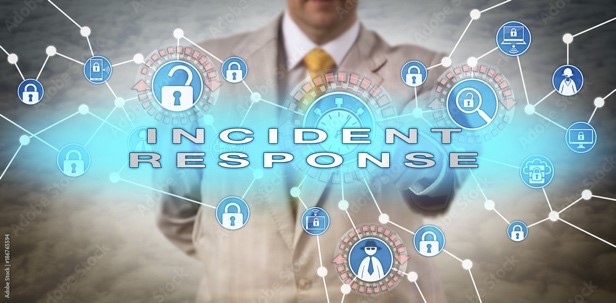
Cybersecurity threats are coming at organizations from everywhere. Lately, ransomware has been headline news as JBS, the largest global beef supplier, paid $11 million to the Russian hacker group REvil after they breached the company’s networks. Unfortunately, ransomware attacks are becoming even more sophisticated. Some recent attacks find their way into networks and exfiltrate the data, essentially stealing it, then threatening to either sell it on the dark web or publish it elsewhere unless the victim pays the ransom.

When you consider today’s revolutionary audio visual (AV) technologies, it is best to think of these products and systems as communications tools. As I’m sure you are aware, good communication is one of the keys to success in business, and modern AV technology can help you strengthen relationships inside your organization, build stronger ties with clients, and extend your reach to potential new business.
So what solutions are best for your business? Here are some ideas.
Safeguarding the physical security of your IT infrastructure and the valuable information it contains should be a primary objective of every organization. Obviously, the same goes for your other assets, including facilities, equipment, and most importantly personnel.
Security is certainly front of mind for anyone involved with IT today. That’s why many companies have adopted stronger and stronger measures to prevent successful cyberattacks. That typically means having end users—those working both remotely and in the office — access all their data via a backhaul connection through a virtual private network (VPN). This approach lets users take advantage of the organization’s firewall, filters, and other security measures. But while users may be able to access the resources, they need this way—whether that’s SaaS applications or files—there are probably still plenty of gaps that exist in your security fabric.

Tabletop exercises led by a risk management professional can help your team prepare for any potential cybersecurity incident or natural disaster. As cybercrime has spiked and natural disasters including hurricanes and wildfires are becoming more frequent, many organizations are employing a rigorous set of risk-management practices known as “tabletop exercises.”
The pandemic gave a hearty push to the migration to remote work. And, while the pandemic may soon be in the rear-view mirror, working from home is here to stay. Point in fact: Bloomberg says U.S. job listings that tout working remotely as a benefit have more than doubled in the past year. Another recent study found that remote workers—overwhelmingly at 97 percent—would like to work remotely at least part of the time for the rest of their careers. With employees now scattered everywhere you can no longer be certain that every device that’s connected to your network is authenticated and behind a firewall. The traditional delivery of security services simply doesn’t work anymore because your organization no longer has a clearly defined perimeter.