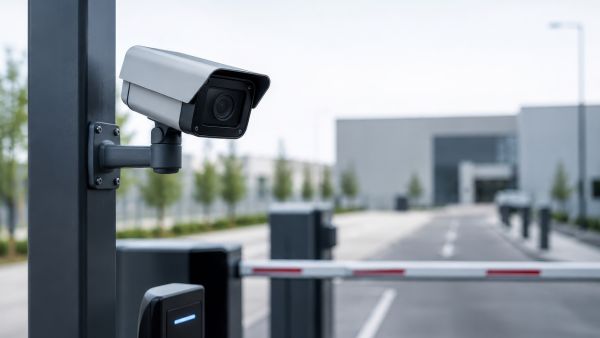
As security threats grow increasingly sophisticated and unpredictable, physical security is becoming a cornerstone of organizational safety and resilience. From preventing unauthorized access to mitigating the effects of natural disasters, physical security covers a wide scope of vital techniques for maintaining operational continuity and safeguarding assets in high-risk scenarios.
What is Physical Security?
Physical security is the protection of personnel, hardware, software, networks, and data from physical actions and events that could cause serious loss or damage to an enterprise, agency, or institution. This includes protection from fire, flood, natural disasters, burglary, theft, vandalism, and terrorism. It is the first line of defense for safeguarding valuable assets and sensitive information and is as crucial as cybersecurity in the overall security strategy of any organization.
Examples of physical security technologies that are often included in a well-rounded protocol include:
Access Control
Access control systems ensure that only authorized personnel can enter certain areas within a facility. They can range from simple electronic keypads that secure a single door to large networked systems for multiple buildings, which can also include integration with other security measures.
Intrusion Detection
Intrusion detection systems monitor and alert security personnel to any unauthorized attempts to access facilities. These systems are critical for triggering a quick response to a security breach, potentially stopping criminals before they gain access to sensitive areas.
Biometric Integration
Biometrics such as fingerprint, facial recognition, or iris scans provide a high level of security by using unique physical characteristics for verification. This technology is often used in conjunction with access control systems to enhance security measures and ensure that only authorized individuals gain entry.
Video Surveillance
Surveillance cameras are a cornerstone of physical security. Modern video surveillance systems use high-definition cameras and network-based recording solutions to monitor spaces in real time. Video analytics can enhance surveillance systems by automatically identifying suspicious behaviors that warrant closer inspection.
Intercom and Paging Systems
These systems facilitate communication throughout a facility, enabling quick responses in emergency situations. They can also be used to verify individuals at entry points when integrated with access control or surveillance systems.
License Plate Recognition
This technology uses optical character recognition to read vehicle license plates. It is beneficial for managing access to parking facilities, enhancing perimeter security, and tracking vehicles within and around a secured area.
Facial Recognition
Facial recognition technology enhances security by identifying individuals based on facial features. This can be used at access points or integrated into surveillance systems to detect, and flag known offenders or unauthorized individuals.
Perimeter Security Systems
These systems are designed to protect the external boundaries of a facility. This can include fencing, barriers, and sensor-based systems that detect and alert for any intrusion attempts at the very outer edge of a secured area.
Mass Notification
Mass notification systems are crucial in crisis situations, allowing for the rapid dissemination of critical information. These systems can notify all personnel within a facility or organization of security threats or emergency conditions, facilitating swift evacuations or lockdowns.
Mobile Security
Mobile security solutions help protect organizational assets accessed or controlled via mobile devices. This includes technology that manages security protocols on smartphones, tablets, and laptops, especially when these devices are used in the field.
Proactive Monitoring
Proactive monitoring services maintain continuous surveillance over physical security systems to ensure they are functioning correctly and to provide immediate response and investigation if an incident occurs.
Video Analytics
Advanced video analytics use sophisticated algorithms to analyze video footage in real-time to detect unusual activity automatically. This technology can differentiate between routine activities and potential threats, alerting security personnel to incidents requiring immediate attention.
Understanding these components and integrating them effectively into a comprehensive physical security strategy helps organizations protect against a wide array of threats, ensuring safety and security for both physical and digital assets.
Why is Physical Security So Important?
Physical security remains a foundational aspect of any comprehensive security strategy. In an era where digital threats dominate headlines, the importance of physical security in protecting organizational assets, ensuring employee safety, and maintaining operational stability cannot be overstated.
For your organization, physical security plays a variety of invaluable roles, such as:
Fundamental Protection Against Crime
The most direct function of physical security is to safeguard against theft, vandalism, and unauthorized access. Facilities with robust security measures— such as surveillance systems, access controls, and intrusion detection— are far less likely to be targeted by criminals. These systems act as deterrents and primary defenses, preventing potential burglars or intruders from causing harm or accessing sensitive areas.
Mitigating the Risk of Natural Disasters
Physical security also involves preparations and protection against natural disasters such as earthquakes, floods, and fires. Professionally designed physical security systems include structural reinforcements, safe evacuation routes, and fire suppression systems. These measures help minimize damage to property and protect human life during unexpected events.
Ensuring Continuity of Operations
For many organizations, any disruption in operations can lead to significant financial loss and damage to customer trust. Physical security systems help ensure that facilities remain safe and operational under various circumstances. Access control and surveillance can prevent disruptions caused by unauthorized access or internal sabotage, which might otherwise lead to operational downtime.
Compliance with Regulatory Requirements
Numerous industries are governed by regulations that mandate certain physical security measures. For instance, data centers storing sensitive information must adhere to stringent physical security protocols to comply with data protection laws. Failure to comply can result in hefty fines and legal repercussions, making physical security a legal as well as a practical necessity.
Protection of Sensitive Information
In our modern, digitally driven era, the protection of physical mediums that store sensitive data (such as servers, hard drives, and documents) is just as important as cybersecurity. Physical security measures prevent unauthorized persons from physically accessing and extracting confidential data, thus complementing cybersecurity efforts.
Employee Safety and Security
Physical security is crucial for creating a safe work environment. Employees are more likely to feel secure and perform effectively when they know measures are in place to protect their physical well-being. This includes everything from secure entry systems to emergency response strategies that protect staff from both human-caused and natural threats.
What Are Common Physical Security Threats?
Being made aware of the physical security risks that your organization is vulnerable to is the first step to implementing any required safeguards or preventative measures.
Physical security threats can originate from both outside or inside a facility and may affect people, property, technology, sensitive information, and business operations.
Some of the most common physical security threats that organizations like yours may be facing include:
-
Unauthorized Entry: Unauthorized individuals may attempt to access restricted facilities, offices, server rooms, or other sensitive areas, potentially exposing people, equipment, and information to harm or misuse.
-
Tailgating: An unauthorized individual follows an authorized person through a secured entrance without presenting their own credentials. This can allow someone to bypass otherwise effective entry controls.
-
Theft: The theft of computers, mobile devices, servers, storage media, and other equipment can result not only in the loss of physical assets but also in the exposure of sensitive organizational data.
-
Vandalism and Sabotage: Intentional damage to facilities, security equipment, network infrastructure, or other critical systems can interrupt operations, compromise security, and create significant financial consequences.
-
Workplace Violence: Threats involving employees, former employees, customers, visitors, or other individuals can put personnel at risk and disrupt normal business operations.
Physical security such as weak access procedures, unsecured entrances, inadequate monitoring, poor visitor management, and gaps in employee awareness can all leave your organization more exposed.
If understanding these risks is the first step, what is the next step? Determining how physical security measures can reduce their impact in real-world situations.
Scenarios Demonstrating the Importance of Physical Security
Although physical security is most frequently associated with protection in the event of a crime, there are many situations in which the proper measures will make a world of difference. The following physical security examples demonstrate how different safeguards can help protect people, property, and critical systems in a range of situations:
During a Break-in: Security alarms and motion detectors can alert security personnel and local authorities, potentially stopping criminals in their tracks.
-
Amidst a Fire: Integrated smoke detectors and fire alarm systems ensure early detection, enabling timely evacuation and fire-fighting response to minimize damage and save lives.
-
In the Event of a Flood: Environmental monitoring systems can detect early signs of flooding, giving time to enact preventative measures to protect critical infrastructure and assets.
-
Post-Earthquake: Structural security assessments and emergency protocols can help in quickly securing the premises and assessing the safety of structures before allowing re-entry.
-
During a Power Outage: Backup power systems like generators and Uninterrupted Power Systems (UPS) ensure that security operations continue uninterrupted, keeping surveillance and access control systems fully operational.
-
During Cyber-Physical Attacks: As the line between cyber and physical threats blurs, physical security systems integrated with cybersecurity measures can help mitigate hybrid threats. For example, control systems should be secure against hacking and physically inaccessible to unauthorized individuals.
-
Pandemic Outbreaks or Health Crises: Physical security systems can play a crucial role in enforcing health protocols, such as access controls to limit the number of people in an area or thermal cameras to detect elevated temperatures among individuals entering a facility.
The sheer variety of these scenarios highlights that physical security is not merely about installing cameras or alarms. It involves a holistic approach to protecting people, property, and data from a wide array of physical threats. As such, organizations must continually assess and adapt their physical security measures to address evolving risks and ensure comprehensive protection across all fronts.
How do you Develop a Physical Security Plan?
An effective physical security plan brings technologies and procedures together as layers of protection rather than relying on a single control.
Your organization should begin developing a physical security plan by assessing your facilities, assets, personnel, potential threats, and vulnerabilities to determine where physical security measures are most needed.
One useful framework is the Deter-Detect-Delay-Respond model:
1. Deter
Discourage unauthorized activity before it occurs. Visible measures such as cameras, lighting, fencing, signage, and controlled entry points can make a facility a less attractive target.
2. Detect
Identify suspicious or unauthorized activity as quickly as possible. Surveillance, intrusion detection, access control alerts, sensors, and monitoring can provide early warning of a potential incident.
3. Delay
Slow unauthorized access gives security personnel or emergency responders more time to react. Locked doors, barriers, fencing, and segmented secure areas can help limit an intruder’s progress.
4. Respond
Establish clear procedures for acting when an incident occurs. Response may involve security personnel, law enforcement, emergency services, mass notifications, evacuations, lockdowns, or business continuity procedures.
In combination, these four layers can help your organization prevent incidents to the fullest extent possible while also identifying threats quickly, limiting their potential impact, and coordinating an effective response.
Physical security planning should also evolve as facilities, staffing, technology, operations, and threats change. Periodic risk assessments, system testing, maintenance, employee training, and reviews of response procedures can help ensure protections continue to address your organization’s physical security risks.
Reinforce Your Physical Security Strategy Starting Now
Understanding and implementing effective physical security measures is not just a proactive step, but a strategic necessity that fortifies the foundation of any organization. By integrating advanced technologies such as video analytics, biometric systems, and proactive monitoring, businesses can enhance their security posture, respond effectively to incidents, and ensure a safer environment for their assets and personnel. As threats evolve, so should your approaches to physical security, ensuring your organization is equipped to face both current and emerging challenges with confidence and efficacy.
Should you have any questions on this topic, please feel free to contact us anytime.
Vladimir