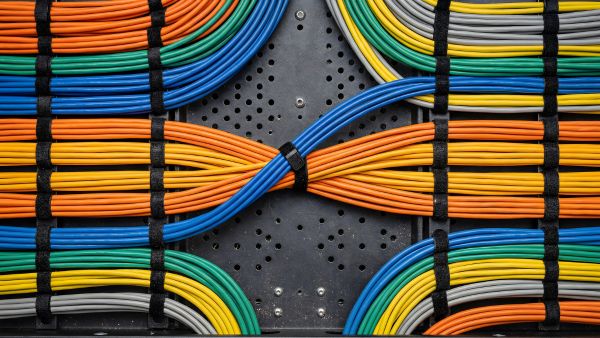
Reliable network performance depends heavily on the infrastructure behind it. As businesses add devices, expand wireless coverage, and rely more heavily on cloud-based systems, outdated cabling can create performance problems that are difficult to trace and expensive to fix. Professional network cabling and wiring solutions help organizations establish a more stable foundation for day-to-day operations while making future growth easier to manage.
Why Reliable Network Infrastructure Starts with Cabling
Modern businesses rely on stable network connectivity for communication, collaboration, cloud applications, security systems, and day-to-day operations. Even environments that depend heavily on wireless technology still rely on physical cabling infrastructure behind the scenes.
Structured network cabling supports systems throughout the organization, including:
- Servers and network switches
- Wireless access points
- Workstations and phones
- Security and communication systems
When cabling infrastructure is outdated or poorly designed, network performance often becomes less consistent. Connectivity issues, slow transfer speeds, wireless dead zones, and troubleshooting challenges can frequently be traced back to underlying infrastructure problems.
Professional network infrastructure cabling also allows for easier, more sustainable growth. As infrastructure demands change over time, cabling systems need to handle additional devices, higher bandwidth usage, and new equipment without requiring major reconstruction.
Network cabling standards continue evolving alongside modern infrastructure demands. Higher-speed connections, Power over Ethernet (PoE), and increased wireless access point density all place greater pressure on existing wiring systems than they did even a few years ago.
What to Expect from Professional Network Cabling Solutions
Commercial network cabling projects involve far more than simply running cables between devices. A properly designed infrastructure plan considers future growth, building layout, equipment requirements, and workflows before installation begins.
Structured Cabling and Wiring Design
Structured network cabling creates a more organized and standardized infrastructure environment. Instead of building systems piece by piece over time, structured cabling establishes a framework that can accommodate multiple technologies across the business.
Planning often includes:
- Cable routing and pathway design
- Equipment room layout
- Patch panel organization
- Wireless access point placement
- Capacity planning for future expansion
A structured approach also makes long-term maintenance easier. Clearly labeled cabling systems help reduce troubleshooting time and improve visibility across the network environment.
Fiber Optic and High-Speed Connectivity
Many organizations now require faster data transfer speeds to enable cloud applications, large file transfers, video collaboration, and high-density wireless environments. Fiber optic cabling meets those demands by delivering higher bandwidth and longer transmission distances than traditional copper cabling.
Professional network cabling solutions may include:
- Single-mode fiber installation
- Multi-mode fiber deployment
- Backbone cabling between facilities or floors
- High-speed uplink connectivity
- Integration with existing copper infrastructure
As infrastructure requirements continue changing, fiber often becomes an important part of network planning rather than a specialized upgrade reserved for only large enterprise environments.
Equipment Installation and Cable Management
Network performance is affected not only by the cabling itself, but also by how equipment is installed and organized throughout the environment. Properly organized infrastructure environments are easier to maintain and troubleshoot, and less likely to create avoidable connectivity problems later.
Professional installation often includes rack and cabinet setup, patch panel configuration, cable labeling, pathway management, and equipment organization designed to improve accessibility and ongoing maintenance.
Ongoing Maintenance and Infrastructure Support
Network infrastructure changes over time as organizations grow, relocate equipment, add devices, or expand wireless coverage. Ongoing maintenance helps ensure the cabling environment continues meeting operational requirements as those changes occur.
Maintenance and support services may involve:
- Cable testing and certification
- Infrastructure documentation updates
- Moves, adds, and changes (MAC work)
- Troubleshooting connectivity issues
- Reviewing infrastructure capacity before expansion projects
- Identifying aging infrastructure before disruptive performance issues occur
Benefits of Structured Network Cabling
Structured cabling systems improve consistent network performance while making infrastructure environments easier to manage over time. That foundation can improve reliability, simplify maintenance, and make future infrastructure changes easier.
Better Network Performance and Reliability
Network speed depends heavily on the quality of the underlying infrastructure. Even modern switches, servers, and wireless systems can struggle when cabling is outdated, damaged, or improperly installed.
Professional network cabling solutions contribute to:
- Faster data transfer speeds
- More stable network connections
- Better wireless access point performance
- Reduced interference and signal degradation
- More reliable communication between systems
Consistent connectivity becomes especially important for organizations that rely on cloud platforms, VoIP systems, video conferencing, or real-time data.
Easier Scalability for Business Growth
Infrastructure requirements rarely stay static for long. New employees, office expansions, additional devices, upgraded wireless systems, and changing bandwidth demands all affect how networks need to perform over time.
Structured network cabling makes those changes easier to manage because the infrastructure is designed with future growth in mind. Instead of rebuilding portions of the network repeatedly, organizations can expand existing systems more efficiently. This becomes particularly valuable in environments where downtime needs to be minimized during infrastructure upgrades or office reconfigurations.
Simplified Troubleshooting and Maintenance
Disorganized cabling environments can make even simple troubleshooting tasks difficult. Unlabeled cables, inconsistent routing, and undocumented changes often increase the amount of time required to isolate and resolve issues.
Structured cabling systems help simplify maintenance by improving visibility throughout the network environment. Clear labeling, standardized layouts, and organized equipment configurations make it easier to identify connectivity problems and perform future upgrades without unnecessary disruption.
Improved Infrastructure Value
Professional network infrastructure cabling is often a long-term investment rather than a short-term installation project. Well-designed systems generally require fewer major corrections later and can support multiple generations of network hardware over time.
Organizations may also avoid some of the operational costs associated with recurring connectivity issues, emergency troubleshooting, or piecemeal infrastructure upgrades caused by poorly planned installations.
How Poor Cabling Affects Network Performance
Cabling problems can affect network performance in ways that are not always immediately obvious. In some cases, the issue may appear to be related to hardware, software, or internet connectivity when the underlying problem actually originates within the physical infrastructure itself.
Poor cabling commonly contributes to:
- Slower transfer speeds
- Intermittent connectivity problems
- Wireless dead zones
- Increased downtime
- Difficulty troubleshooting network issues
- Signal interference and packet loss
Infrastructure problems also tend to become more noticeable as bandwidth usage increases. Applications that rely heavily on real-time communication, cloud connectivity, or high-speed data transfer are often less tolerant of infrastructure weaknesses.
Poor cable organization can create operational problems as well. Disorganized pathways, missing documentation, and inconsistent labeling often make maintenance more difficult and increase the risk of accidental service interruptions during future changes or repairs.
Security can also be affected by poorly managed infrastructure environments. Exposed cabling, unsecured equipment areas, and outdated infrastructure may increase physical security risks or create vulnerabilities that are harder to monitor effectively.
How Often Should Network Wiring Be Upgraded?
There is no universal timeline for upgrading network wiring because infrastructure requirements vary widely between organizations. Some environments may operate effectively for years with minimal changes, while others outgrow existing cabling much more quickly.
Several factors often signal when upgrades should be evaluated:
- Increasing bandwidth demands
- Expanding wireless coverage requirements
- Aging cabling standards
- Frequent connectivity issues
- Office expansions or renovations
- New hardware deployments
- Greater reliance on cloud-based applications
Organizations also tend to revisit infrastructure planning when migrating to higher-speed network equipment or modern wireless standards that place additional demands on cabling systems.
Regular infrastructure assessments can help determine whether existing cabling still aligns with infrastructure requirements and future growth plans.
Frequently Asked Questions
Why is professional network cabling important?
Professional network cabling helps create a more reliable infrastructure environment that is easier to maintain and expand over time. Well-designed infrastructure also reduces the likelihood of avoidable connectivity problems and troubleshooting delays.
What are the benefits of structured cabling systems?
Structured cabling systems improve organization, simplify maintenance, empower future expansion, and create more consistent network performance across the environment.
What types of network cabling are commonly used for businesses?
Many commercial environments use copper Ethernet cabling, fiber optic cabling, or a combination of both depending on bandwidth requirements, transmission distance, and infrastructure design goals.
How often should commercial network wiring be upgraded?
Network wiring upgrades are often evaluated when organizations experience performance limitations, infrastructure expansion, aging cabling standards, or increasing bandwidth demands.
What are common signs of poor network cabling?
Frequent connectivity problems, inconsistent network performance, wireless coverage issues, slow transfer speeds, and recurring troubleshooting challenges can all indicate underlying cabling problems.
Proactive Planning for Network Performance
Cabling infrastructure tends to get the most attention when something stops working, but long-term network performance is often shaped by decisions made much earlier. As bandwidth demands increase and infrastructure environments become more complex, effectively designed cabling systems can streamline day-to-day operations.
If your organization is reviewing its current infrastructure or planning future network expansion, Quest can help assess your environment and strengthen your network cabling strategy. How can we help?
I hope you found this information helpful. As always, contact us anytime about your technology needs.
Until next time,
Tim