
In today’s interconnected world, maintaining a positive business reputation is crucial for organizations of all sizes. Business reputation is often discussed through the lens of branding and marketing, with elements such as social media and online reviews playing critical roles; however, cybersecurity is an equally important component in the formation of the public perception of an organization. Failing to properly execute a solid cybersecurity plan leaves your organization vulnerable to data breaches and other attacks, diminishing its trustworthiness and integrity in the eyes of consumers. But with a proactive approach to mitigating cyber risks, your organization can implement an effective, well-rounded strategy for business reputation management that supports your long-term goals.

Developing a functional, efficient, and innovative application has become a common goal as businesses accelerate their digital presence; however, not every organization has the in-house expertise to execute this task. This has led to a high demand for outsourcing app development. Leveraging outside talent can make it easier to elevate your app’s quality, ensure that it is built on the latest technological backbone, and speed up its time to market.

IT program management often requires a complex balancing act of deadlines, priorities, and stakeholders. An ineffective approach translates into wasted time and money—and unhappy clients, organization leaders, and team members alike. Ultimately, the goal of any technical project is to achieve meaningful results, but the process used to get to the finish line can make a massive difference. Let’s delve into the tenets of IT program management, including the 10 most vital keys to a successful framework.
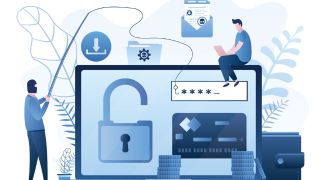
Out of the many ways cybercriminals can exploit businesses, phishing remains one of the most insidious. For organizations of all sizes, understanding how to identify and thwart these cyberattacks is imperative. In this detailed guide, you’ll learn how to recognize the subtle signs of phishing attempts and implement solid strategies to protect your organization, ensuring that your workforce and digital assets remain secure against these deceptive schemes.

Modern technology provides countless ways for organizations to optimize performance, reduce costs, and enhance agility. Cloud computing has garnered significant attention as the next must-have solution for companies on the forefront of tech advancements. When you consider the many benefits of migrating a business to the cloud, it’s easy to understand why so many businesses are eager to adopt this strategy.

Over the last few years, the concept of IT staff augmentation has undergone a transformative shift, reflecting the dynamic nature of technological advancements and evolving business needs. These changes are bound to continue, so an understanding of this subject will prove useful. In this in-depth exploration of IT staff augmentation, we’ll discuss the pivotal role it plays in modern business strategies, the nuanced benefits it brings to organizations, and the emerging trends that are shaping its future.