
If your organization isn’t already using the cloud today, you will likely be soon. Gartner says that “More than half of enterprise IT spending in key market segments will shift to the cloud by 2025.” But cloud security is a crucial concern for any organization, given recent headlines. And, with cloud cybersecurity becoming even more complex with hybrid- or multi-cloud infrastructures, it’s hard to know where you should focus your efforts.
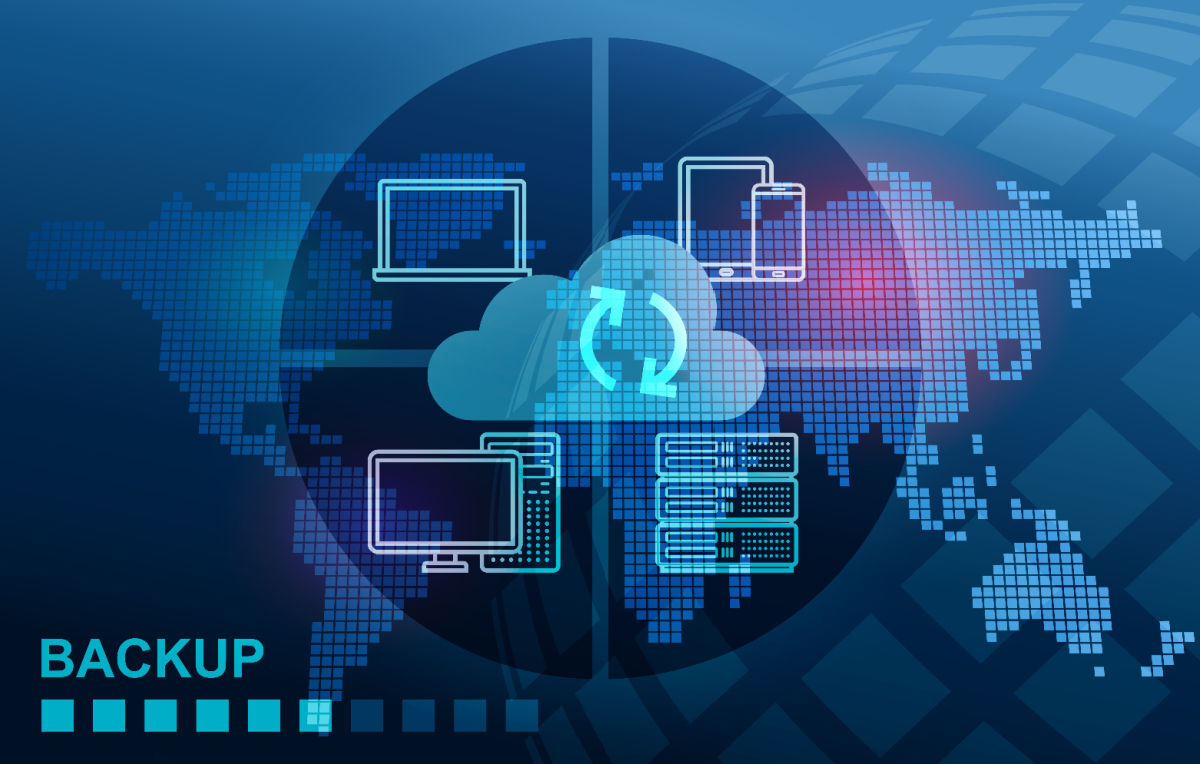
Every day, there are 2.5 quintillion bytes of data created. That’s 2.5 followed by 17 zeroes—a lot of data—and all of it is more valuable, and more vulnerable, than ever before. As a result of these hard facts, disaster recovery needs to be part of every organization’s workflow.
Managed cloud backup services and disaster recovery as a service (DRaaS) offer you a sure way to get that done, so you can protect your data and your company without distracting yourself or your team from your core mission

A deliberate deployment of cloud computing technology is a good way to give your IT infrastructure the speed and responsiveness required by today’s heightened market expectations. Please let me take a few minutes to explain how we can provide your organization the agility, security, and resilience that comes with modern application architecture.

The DOD adopted CMMC just prior to 2021 to enforce the protection of federal contract information and ensure control of unclassified information throughout its supply chain. That information is referred to as Controlled Unclassified Information (CUI). It is defined as digital and physical information created by a government or entity on its behalf that, while not classified, is still sensitive and requires protection. Even though it isn’t classified, this information can be secret or top secret. Past supply-chain breaches that may have exposed some of this very sensitive information that could adversely impact national security have made headlines.

For a rapidly growing number of companies and organizations, digital transformation is creating powerful opportunities. That is beneficial and highly reasonable – but business leaders need to understand that pushing more of your assets into the digital environment adds a whole new dimension to your risk.
Digital technology is not all about ones and zeros in the cloud. It’s important that the IT infrastructure you rely on to meet your business objectives—from the routers and repeaters in your wireless network to the cabling connecting everything—is sound and up-to-date. And these days, the audio visual equipment in your teleconference rooms, and your physical security equipment, are more important than ever.